A book by The Architect
The Relational Cage
There is a person in your life right now who costs you more than they return. This book names what is actually holding the connection in place, because it is not what you have been telling yourself.
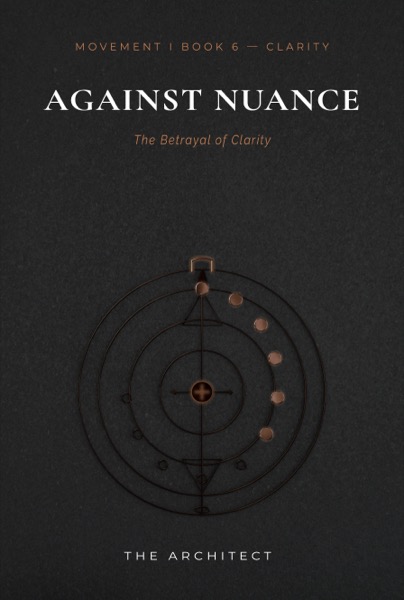
The maintenance feels like love. The guilt feels like conscience. The habit feels like loyalty. The performance feels like belonging. And because the feeling of the maintenance is indistinguishable from the feeling of the genuine thing, the examination stops before it reaches the mechanism. This book hands you the instrument that ends that confusion. It does not prescribe the exit. It makes the lock visible.
What is inside
Guilt-based maintenance. The connection held in place by the moral weight of departure rather than the positive value of presence. Leaving would require you to be the person who left, who did not care enough. The guilt does the structural work and wears the costume of decency.
Fear-based maintenance. The connection held by the visible cost of exit. The calculation runs too fast to observe and delivers its verdict before you notice it ran. The cost of staying is diffuse and chronic. The cost of leaving is concentrated and acute.
Habit and performance. Habit has no phenomenology at all, which is why it is the hardest to see. Performance is the connection that reads correctly to an audience, more alive when observed than when it is just the two of you. The same underlying structure runs all four.
Who it is for
The man who has examined his fragments, his patterns, his inherited contracts, and then arrived at the relational inventory and gone quiet. He can see the connections that cost him. What he cannot see is what they are made of. This is the Release work of Movement II, and most of the releases it produces are quiet ones.
What this book will cost is the comfortable sense that everything you have been maintaining past its natural life is maintained by love. Some of it is. The book does not tell you which connections to keep. It gives you the vocabulary to ask the real question, then leaves the choice entirely to you.
Want to feel the work before you read it? The Atlas takes one true thing you are carrying and shows you the structure underneath it, free.
Open the AtlasRead about the framework behind the book.