The pattern beneath
Being needed vs being loved: what's the difference?
Being needed rests on what you do for someone. Being loved rests on who you are when you're doing nothing for them. The two feel alike from the inside, which is why many people spend years earning the first and calling it the second. The simplest test is what happens to a relationship when you stop being useful.
In two years of sitting with people in hospice, I asked most of them the same thing: looking back, what are you glad of? The answer came back so consistently that I could almost say it with them. I felt useful. I was needed. I felt loved by the people around me. They said it in one breath, as if the three were one thing. For many of them, they had been.
That's the confusion this page is about. Need and love often travel together, and there's nothing wrong with being needed. The trouble starts when being needed is the only way you know how to be loved.
How to tell them apart
- What it rests on. Need rests on your usefulness. Love rests on you, including the parts of you that are no use to anyone.
- What happens when you rest. In a relationship built on love, you can be ill, tired or unavailable for a while and the bond holds. In one built on need, the other person drifts, or you feel you're about to be replaced.
- Who holds your worth. When your worth comes from being needed, the other person holds it: their gratitude, their reliance, whether they noticed. They don't know they're holding it.
- What it leaves behind. Love tends to leave you settled. Need tends to leave a bill: the quiet resentment when your giving isn't returned in the way you hoped.
- How it changes over time. Love can survive the other person getting stronger. A relationship built on need often weakens when they do.
Why the two get confused
For many people the confusion starts early. A child works out, under pressure and without words, that attention comes when they help and goes quiet when they ask. The child learns that being useful is the safest way to be loved, and keeps doing it. By adulthood the feeling of being needed and the feeling of being loved have fused. In The Death of the Savior I describe this in my own life: what I was getting from years of carrying everyone was the feeling of being needed, which I'd confused with being loved.
It's reinforced from outside. People who are always useful get praised for it. Nobody calls it a pattern, because it looks like generosity, and often it is generous. It's just also doing a second job.
The ledger
Giving that comes from the need to be needed usually carries an invisible ledger. You give, and somewhere a record is kept of what you're owed: thanks, closeness, loyalty, proof that you matter. The people you give to never agreed to the ledger and mostly don't know it exists. When they don't pay, resentment arrives, and it feels out of proportion because it's the whole account falling due at once.
The resentment is useful information. It tells you the giving was partly a purchase. That's no reason for shame. It's a reason to look at what you were trying to buy, and whether it could be had another way.
When a relationship runs on need
The hardest form of this is help that never reduces the need it answers. The person you carry needs you as much this year as five years ago, because the help has become the arrangement. In The Death of the Savior I call it manufactured dependency: it looks like need, but it never gets smaller. Both people call it care. One is getting worth from being needed and the other is getting relief from being rescued, and it's very hard for either of them to see.
Relationships like this often wobble when the helper changes. If you stop rescuing, some people will step up and the relationship will deepen. Some will drift away, and that's painful to watch. It tells you what the relationship was resting on.
Learning to be loved without earning it
- Let care land. When someone offers you something, receive it without deflecting it or repaying it on the spot.
- Be unneeded for an evening. Spend time with someone you love and don't do anything for them. Notice the itch to be useful, and let it pass.
- Name the ledger. Next time resentment shows up after giving, ask what you were hoping to get back. Write it down.
- Ask for one thing. A small, real need, said out loud, to someone who's safe. Being loved includes being allowed to need.
One line from The Death of the Savior sums it up: you are lovable because you're human, not because you're needed. It takes a while for that to feel true to the part of you that learned otherwise. That's expected.
Where this comes from
The Death of the Savior is my own account of confusing being needed with being loved. Obsolete follows where the need to be needed hides. I've also written about why people need to be needed in the first place. On The Architect Speaks: Why Do I Only Feel Worthy When I Am Useful to Others? (Episode 509) and What happens when you stop bending to be loved.
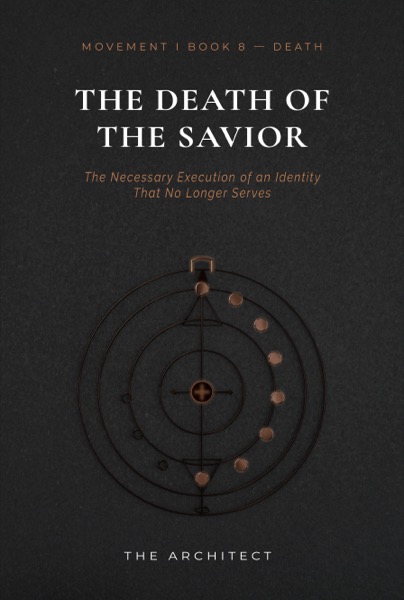
The Death of the Savior
One man's account of the identity that needed to be needed. One of the thirty-three books of the Codex of the Architect. How the pattern formed, what it built, and what happened when it collapsed.
About the bookThe Atlas names the pattern running your life in a single sitting. It is built from twenty years in the chair and the thirty-three books of Michael Lauria, a qualified therapist, author and philosophical mythologist. It takes about forty-five minutes, costs nothing, and ends in a written Record of that pattern, drawn from your own words. It is not therapy and not for crisis. Begin the Atlas · How the Atlas works
Or begin smaller with the nine-question pattern test, about three minutes, no sign-up.
Related questions
- Why do I need to be needed?
- Why do I always have to be the strong one?
- Why do I feel like I only matter when I'm useful?
- Am I a people pleaser, or just kind?
- What is the Atlas?
How this page was made: written with AI, in plain language, from Michael Lauria's podcast episodes and books.